



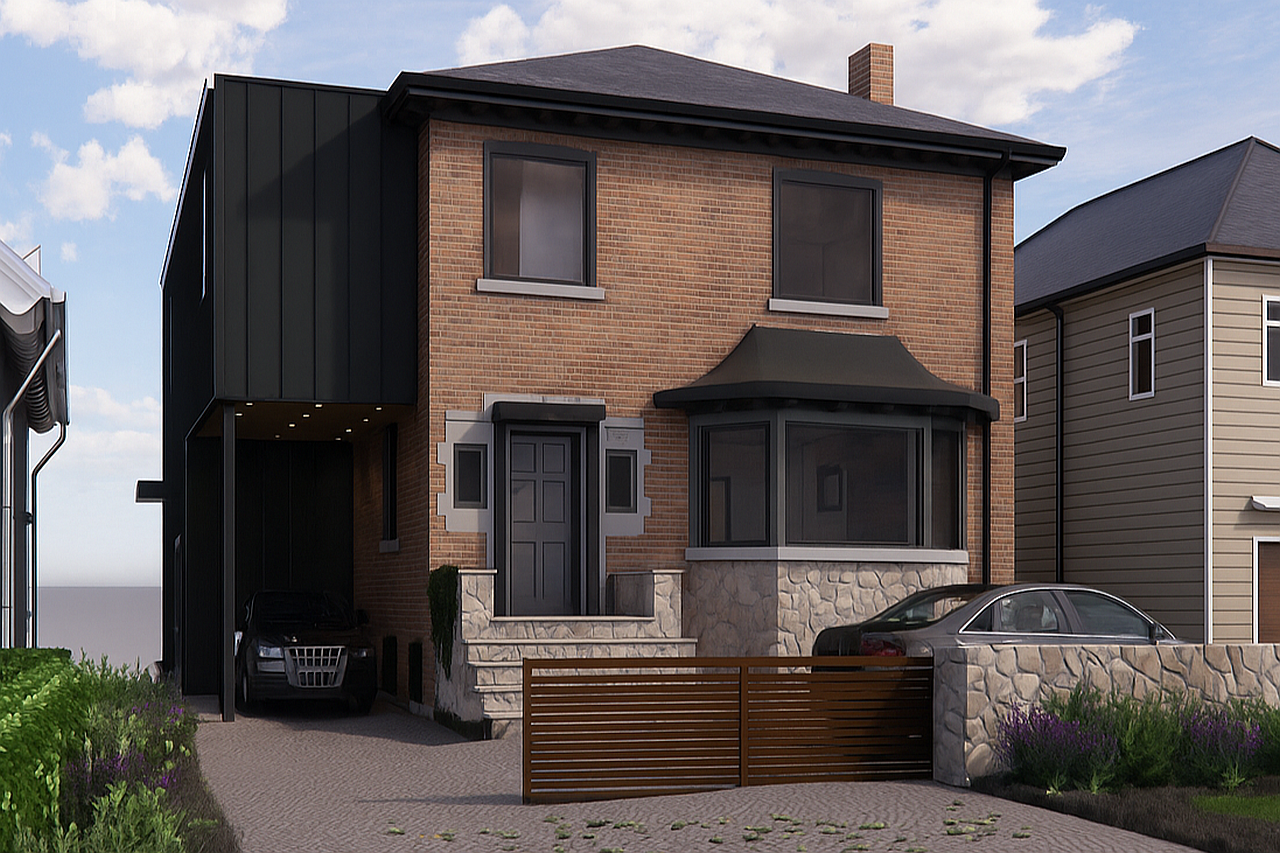
Residential Additions in Toronto: What to Consider Before You Design
For many Toronto homeowners, a residential addition is a way to stay in a neighbourhood they love while adapting their home to changing needs. Whether it’s adding space for a growing family, creating room for a home office, or accommodating a secondary suite, additions can be a practical alternative to moving.
That said, designing residential additions in Toronto is rarely straightforward. Zoning bylaws, building code requirements, existing structure, and neighbour considerations all shape what’s possible. Understanding these constraints early can save months of redesign and approval delays later.
This guide outlines the key factors to consider before starting the design process.
Is a Residential Addition the Right Option?
Before jumping into design, it’s worth stepping back and asking whether an addition is the best solution.
In many cases, an addition makes sense when:
- The existing layout cannot be reasonably reconfigured
- Lot size and zoning allow meaningful expansion
- The cost of moving outweighs the cost of building
- Long-term use of the home justifies the investment
In other cases, interior reconfiguration or renovation may achieve similar results with fewer approvals. An early feasibility review can help determine which approach is most appropriate for a given property.
Zoning Constraints That Shape Additions in Toronto
Zoning is often the single biggest factor influencing addition design.
- Key zoning considerations typically include:
- Required setbacks from property lines
- Maximum building height
- Lot coverage limits
- Angular plane requirements
- Permissions for additional dwelling units
Recent provincial changes now allow for more generous building envelopes when a secondary suite, such as a basement apartment, is included in the proposal. In many situations, this can enable significantly larger additions — but only when coordinated properly during the permit process.
Understanding Toronto zoning bylaws early allows the design to respond to real constraints rather than idealized assumptions.
Common Types of Residential Additions
Not all additions are created equal. Each type comes with its own design and approval challenges.
Rear Additions
[Rear additions] are common in Toronto and often provide the most flexibility. They are typically constrained by rear yard setbacks, lot coverage, and angular plane requirements.
Second-Storey Additions
[Second-storey additions] can dramatically increase usable space but require careful coordination with existing structure, stairs, and building height limits.
Side Additions
Side additions are less common and often more constrained, particularly on narrow lots, but can be effective in certain conditions.
Combined Additions
Many projects combine multiple strategies, such as a rear addition with a partial second-storey addition, to maximize space within zoning limits.
Structural and Building Code Considerations
Beyond zoning, building code and structure play a critical role in addition design.
Common considerations include:
- Existing foundation capacity
- Structural load paths
- Fire separation between units or floors
- Stair geometry and headroom
- Impact on means of egress
These factors often influence layout and massing as much as zoning does. Addressing them early helps avoid costly revisions during permit review or construction.
Timeline: From Concept to Permit
While every project is different, most residential additions follow a similar sequence:
- Feasibility & early design: zoning review, site constraints, initial concepts
- Design development: coordination of structure, code, and layout
- Approvals: Committee of Adjustment (if required) and building permit review
Approval timelines vary widely depending on zoning compliance and review complexity. Projects that address constraints early tend to move more smoothly through the process.
Common Mistakes That Delay Additions
Some of the most common issues we see include:
- Designing before confirming zoning compliance
- Underestimating structural limitations of existing buildings
- Ignoring neighbour impacts that trigger objections
- Submitting incomplete or inconsistent permit drawings
Many of these issues can be avoided with early coordination and a clear understanding of the approval pathway.
When to Involve an Architect
While not every addition legally requires an architect, many benefit from architectural involvement early in the process.
An architect can help:
- Clarify what’s realistically achievable on a property
- Coordinate zoning, structure, and building code
- Prepare permit-ready drawings
- Navigate Committee of Adjustment or zoning review processes
If you’re unsure whether architectural services are required, our overview of [architectural design services in Toronto] explains when and why early involvement can make a difference.
Next Steps
If you’re considering a residential addition and want to understand what’s possible on your property, an early architectural consultation can help clarify constraints, approvals, and design options before the process moves too far.